
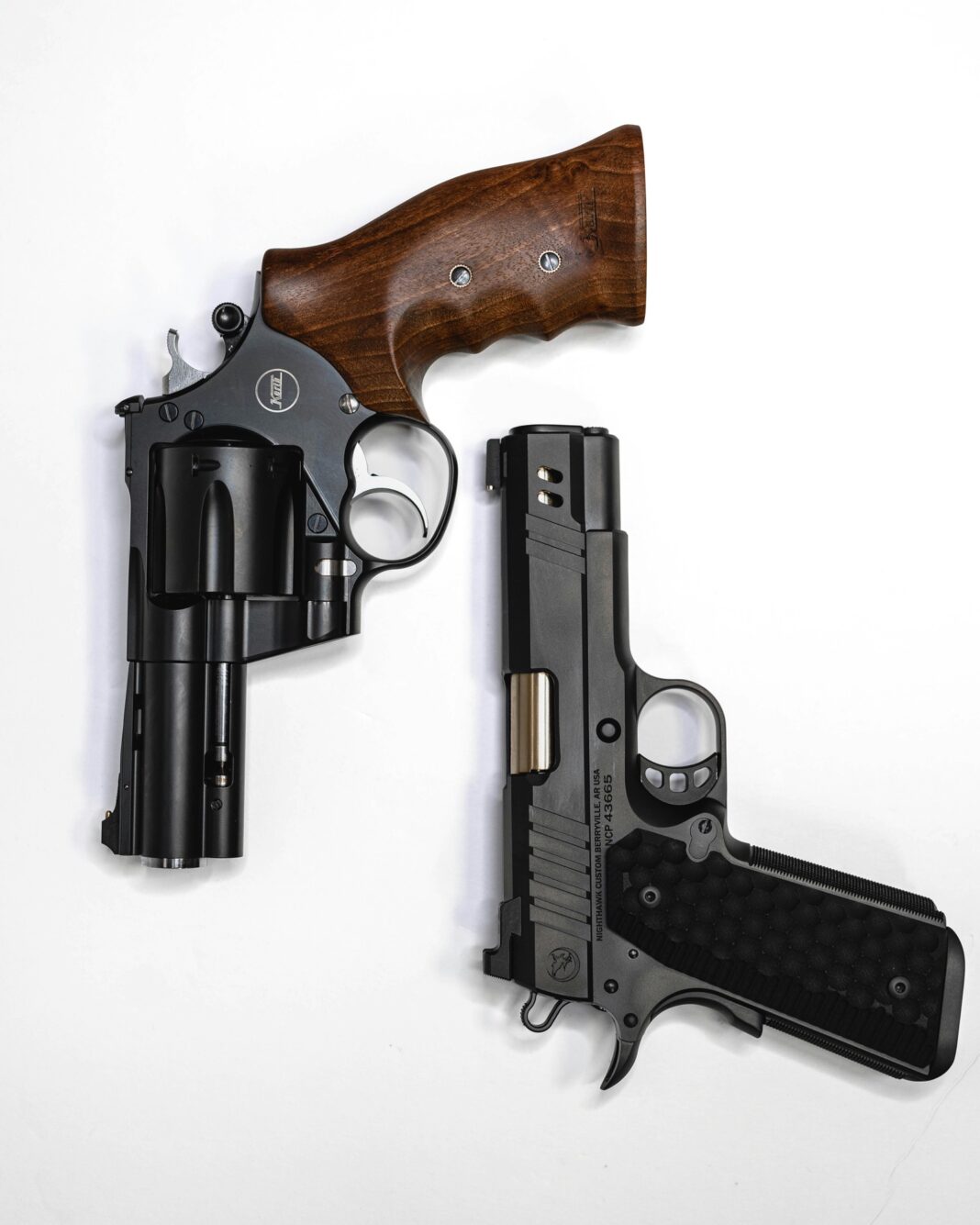
The U.S. Department of Justice announced on September 18, 2026, that its Office of Legal Counsel has concluded the longstanding federal prohibition on licensed dealers selling handguns to adults ages 18 to 20 is inconsistent with the Second Amendment. As a result, the department will not pursue criminal penalties against federally licensed firearms dealers for such sales to otherwise law-abiding adults in that age range.
The opinion, dated September 17, 2026, addresses 18 U.S.C. § 922(b)(1) and (c)(1). Those provisions generally bar licensed dealers from selling handguns or handgun ammunition to anyone under 21. The Office of Legal Counsel determined that 18- to 20-year-olds fall among “the people” protected by the Second Amendment. Assistant Attorney General T. Elliot Gaiser stated that 18-year-olds may vote, serve on juries, be drafted, and face adult criminal penalties, including capital punishment. The Constitution protects the right to keep and bear arms, and the department may not constitutionally impose criminal penalties on dealers selling handguns to law-abiding adults who are members of the political community in nearly every other relevant respect.
The analysis relies on Supreme Court precedents including District of Columbia v. Heller, New York State Rifle & Pistol Association v. Bruen, and Wolford v. Lopez. Because the restrictions burden the ability of members of “the people” to acquire commonly used arms (handguns), they fall within the Amendment’s plain text and are presumptively unconstitutional. The Office of Legal Counsel found no Founding-era history or tradition of precluding legal adults from purchasing firearms to protect public safety. Instead, militia statutes at the Founding overwhelmingly required service beginning at age 18 and required enrollees to furnish their own arms.
The opinion concludes only that the statutes may not be enforced to impose criminal penalties on dealers for sales to this class of law-abiding adults. It does not affect federal laws prohibiting handgun possession by those under 18 or other background check requirements. The statutes remain on the books unless repealed by Congress or struck down by courts. Federal appellate courts have been divided on related age-based restrictions, with some circuits finding similar limits unconstitutional and others upholding them. The Supreme Court has previously declined to review certain challenges in this area.
When does this take effect?
The Justice Department’s determination that it will not seek criminal enforcement applies immediately for federal prosecutions under its control. Licensed dealers are no longer subject to federal criminal risk from the department for sales of handguns to otherwise eligible 18- to 20-year-olds. Practical effects depend on how the Bureau of Alcohol, Tobacco, Firearms and Explosives and individual dealers respond, and on any ongoing or future civil or administrative actions. The opinion does not automatically invalidate the statutes nationwide or override state laws.
Does this mean an 18-year-old can walk into a store and buy a handgun?
At the federal level, the Justice Department will not criminally prosecute licensed dealers for such sales to law-abiding adults ages 18 to 20. Federal background checks and other eligibility rules still apply. However, many states maintain their own age restrictions that operate independently of federal law. Private sales and secondary markets already had different federal rules in some respects, but primary market dealer sales were restricted.
Does this apply in Ohio?
No. Ohio state law continues to prohibit the purchase of handguns by anyone under 21. Ohio Revised Code § 2923.211 provides that no person under 21 shall purchase or attempt to purchase a handgun, with limited exceptions for certain law enforcement officers and active, reserve, or honorably discharged military members who have received approved firearms training. Related provisions also restrict selling or furnishing handguns to those under 21. These state rules apply to both licensed dealer and private transactions.
Ohio allows purchase of rifles and shotguns at age 18, subject to federal and state eligibility rules. There is no statewide minimum age for possession of firearms in Ohio beyond federal restrictions, but purchase of handguns remains restricted under state law. An 18-year-old in Ohio cannot legally purchase a handgun from a store (or most other sources) solely because of the federal non-enforcement decision. Any change would require action by the Ohio General Assembly or a successful legal challenge to the state statute under the Second Amendment or Ohio Constitution.
This development reflects the Justice Department’s interpretation of Supreme Court Second Amendment precedents as applied to the specific federal commercial sale restrictions. Readers should consult the full Office of Legal Counsel opinion available on the Justice Department website, current Ohio statutes, and qualified legal counsel for advice on specific situations. Laws and enforcement practices can evolve through legislation, regulation, or further court rulings.