
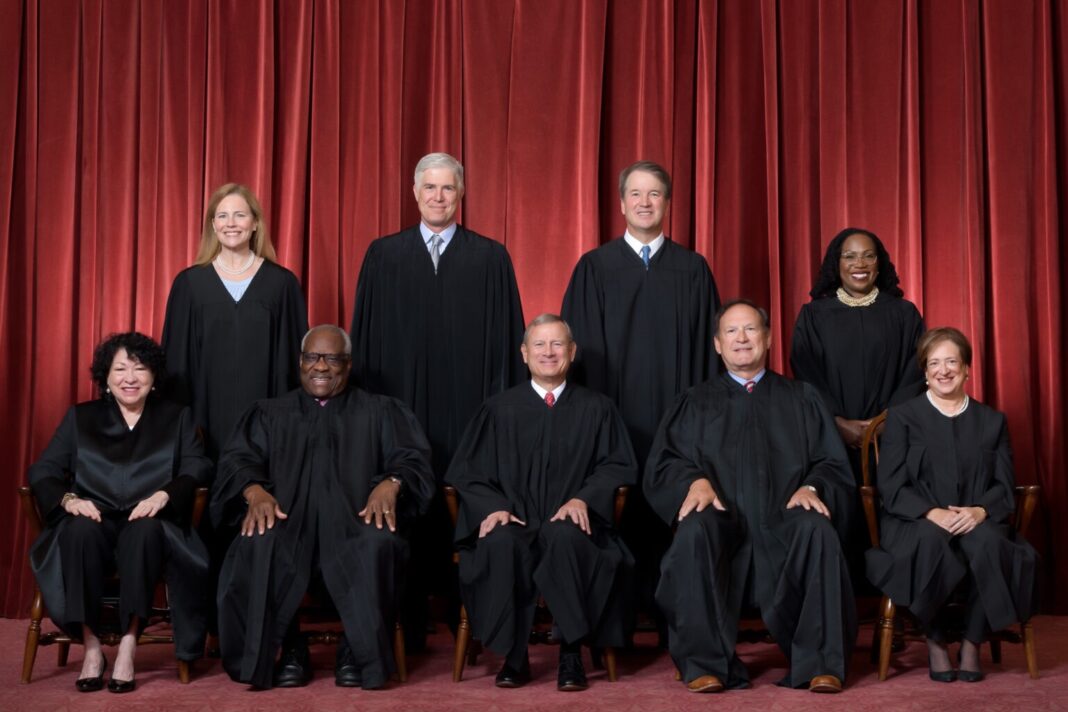
The U.S. Supreme Court has not yet issued its decision in the closely watched challenge to President Donald Trump’s executive order on birthright citizenship. Oral arguments in Trump v. Barbara took place on April 1, 2026. Legal analysts observed that a majority of justices appeared skeptical of the administration’s position and inclined to uphold the longstanding constitutional guarantee.
A ruling remains pending among the final cases of the term. The Court’s last day is Tuesday, June 30, 2026, and observers expect decisions in remaining matters, including this one, by the end of the week or shortly thereafter.
Background on the Case and Executive Order
On January 20, 2025, President Trump signed Executive Order 14160, titled “Protecting the Meaning and Value of American Citizenship.” The order directed federal agencies to deny U.S. citizenship and documentation, such as passports or Social Security numbers, to children born in the United States to parents who were either unlawfully present or lawfully present on temporary visas and not lawful permanent residents or citizens.

The order never took effect. Every federal court that reviewed challenges to it ruled that it violated the Citizenship Clause of the Fourteenth Amendment and federal statute.
The Supreme Court agreed to hear Trump v. Barbara, a class-action case originating in New Hampshire federal court. The central question is whether the executive order complies with the Fourteenth Amendment’s command that “All persons born or naturalized in the United States, and subject to the jurisdiction thereof, are citizens of the United States.”
Longstanding Precedent
The Supreme Court addressed birthright citizenship in its 1898 decision United States v. Wong Kim Ark. The Court held that a child born in the United States to parents who were legal residents of Chinese descent was a U.S. citizen. That ruling has guided interpretation of the Citizenship Clause for more than a century. The clause was ratified in 1868 to overturn the Dred Scott decision and to confirm citizenship for those born on U.S. soil and subject to U.S. jurisdiction, with narrow historical exceptions such as children of foreign diplomats or members of invading armies.
What Observers Noted After Oral Arguments
During the April 1, 2026, arguments, the justices questioned the administration’s interpretation that the phrase “subject to the jurisdiction thereof” excludes children of undocumented immigrants or those on temporary visas. Reports from SCOTUSblog and other legal outlets indicated that several justices expressed concerns about departing from settled precedent and historical practice.
Implications for Ohio
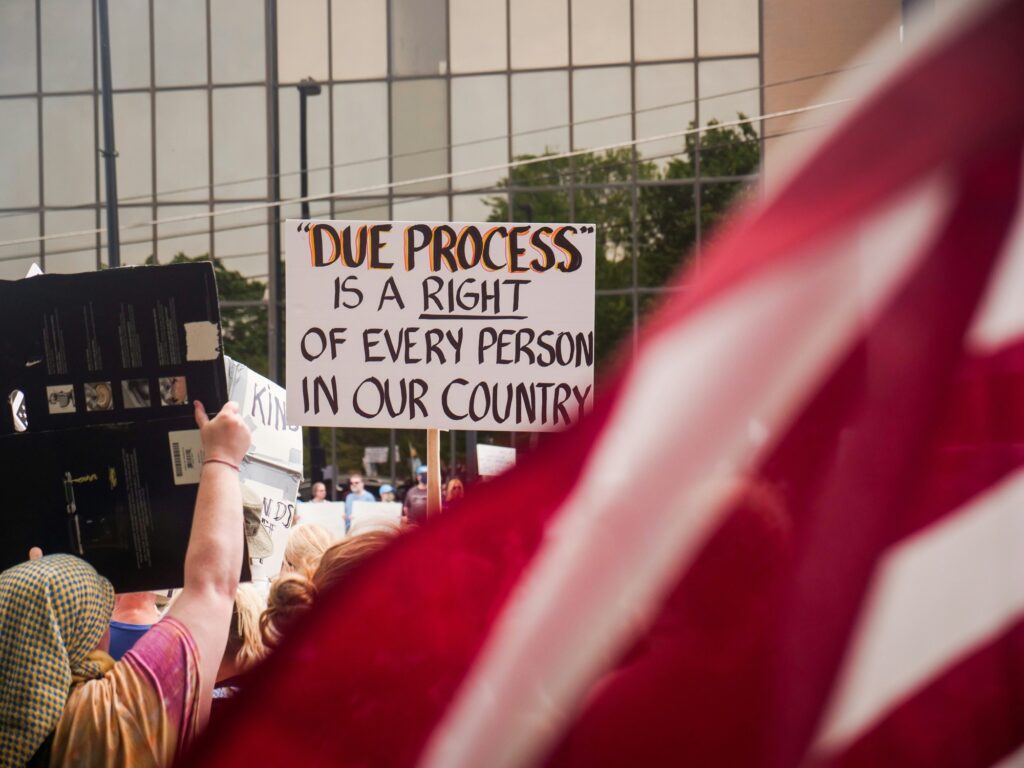
The Supreme Court’s eventual ruling will apply uniformly nationwide, including in Ohio. No separate Ohio state case or unique state-level challenge has altered the federal constitutional question. Ohio hospitals, vital records offices, and state agencies currently issue birth certificates and recognize citizenship under existing federal law and the Wong Kim Ark precedent. That practice continues without change while the case remains pending.
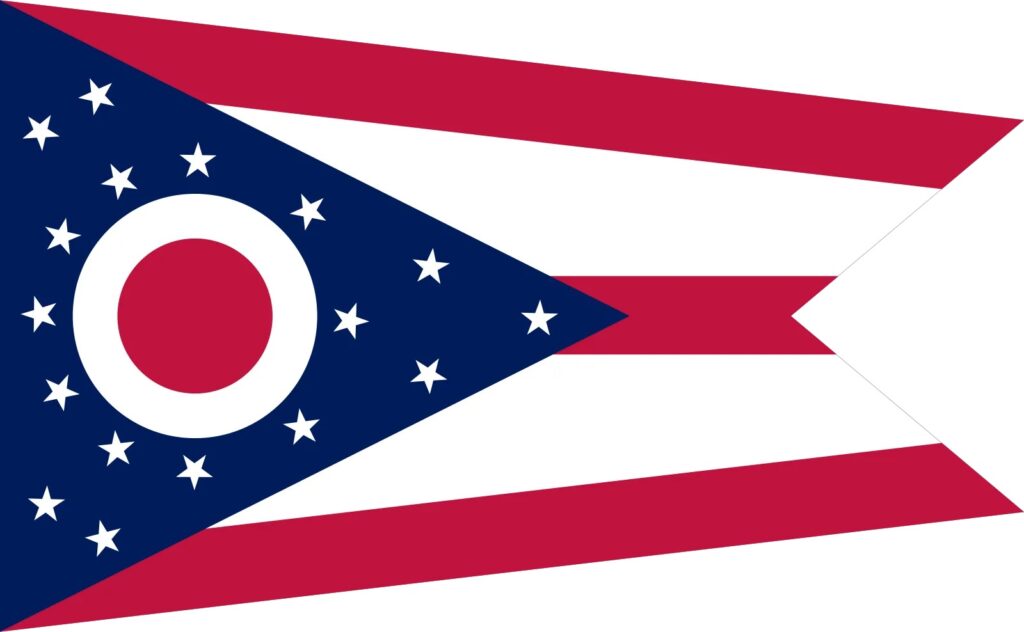
Ohio families, schools, healthcare providers, and employers operate under the current understanding of birthright citizenship. A decision that upholds the traditional interpretation would preserve the status quo. Any other outcome would require adjustments to federal documentation and related state processes, but no such change is in effect today.
Current Status Summary
• The executive order remains blocked nationwide by lower court orders.
• The Supreme Court has not ruled.
• A decision is anticipated by late June or early July 2026.
• Legal commentary following oral arguments pointed toward rejection of the order and preservation of birthright citizenship under the Fourteenth Amendment.
Ohio residents and institutions should continue standard procedures for birth registration and citizenship recognition. Updates will follow once the Court releases its opinion in Trump v. Barbara.