
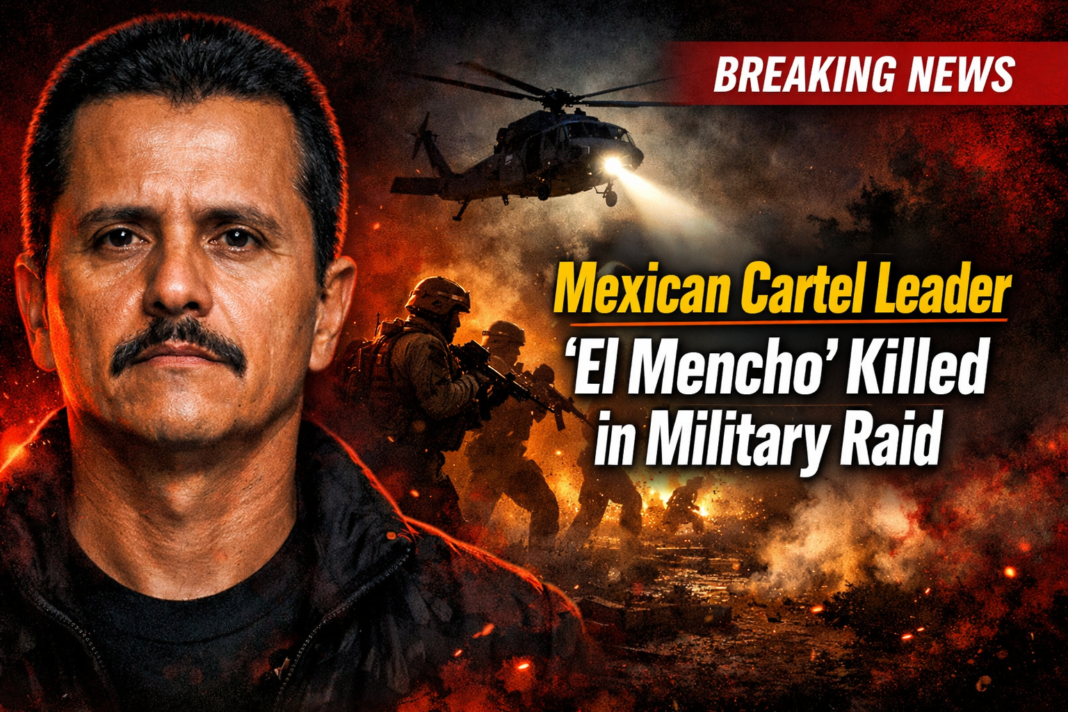
In a significant blow to one of Mexico’s most powerful criminal organizations, Mexican authorities confirmed the death of Nemesio Rubén Oseguera Cervantes, widely known as “El Mencho,” the elusive leader of the Jalisco New Generation Cartel (CJNG). The operation, carried out by the Mexican army in the western state of Jalisco on February 22, 2026, has sparked immediate violent reprisals from the cartel and raised questions about potential shifts in the flow of deadly drugs like fentanyl into the United States, including hard-hit areas like south central Ohio.
Details of the Operation and El Mencho’s Death
According to a federal official speaking anonymously to the Associated Press, the Mexican military conducted a targeted raid in the municipality of Tapalpa, a known CJNG stronghold in Jalisco. El Mencho, a former police officer who rose to lead the CJNG since its formation in 2009, was killed during the confrontation. The cartel, notorious for its aggressive tactics, attempted to impede the military advance by setting up roadblocks with burning vehicles, a common strategy to disrupt security forces.
El Mencho had evaded capture for years despite being one of the most wanted individuals in both Mexico and the U.S. He faced multiple indictments from U.S. authorities, including charges related to drug conspiracy, distribution of methamphetamine, cocaine, and fentanyl, as well as firearms offenses. The U.S. State Department had offered a $15 million reward for information leading to his arrest, and in February 2026, the Trump administration designated the CJNG as a foreign terrorist organization. Under his leadership, the CJNG expanded into a global enterprise, rivaling the Sinaloa Cartel and operating in all 50 U.S. states, trafficking billions in illicit drugs.
Was the U.S. Involved?
The operation was described by sources as led by Mexico’s Defense Ministry, with no direct confirmation of on-the-ground U.S. assistance. However, it comes amid heightened U.S. pressure on the Mexican government under President Claudia Sheinbaum to intensify crackdowns on drug trafficking, including threats of direct U.S. intervention. The White House has not commented on any specific role in the raid, but the timing aligns with ongoing U.S. efforts to target CJNG networks, including sanctions and intelligence sharing. Experts suggest that while the kill was executed by Mexican forces, U.S. intelligence may have played a supportive role, though this remains unconfirmed in official reports.
Cartel’s Violent Response
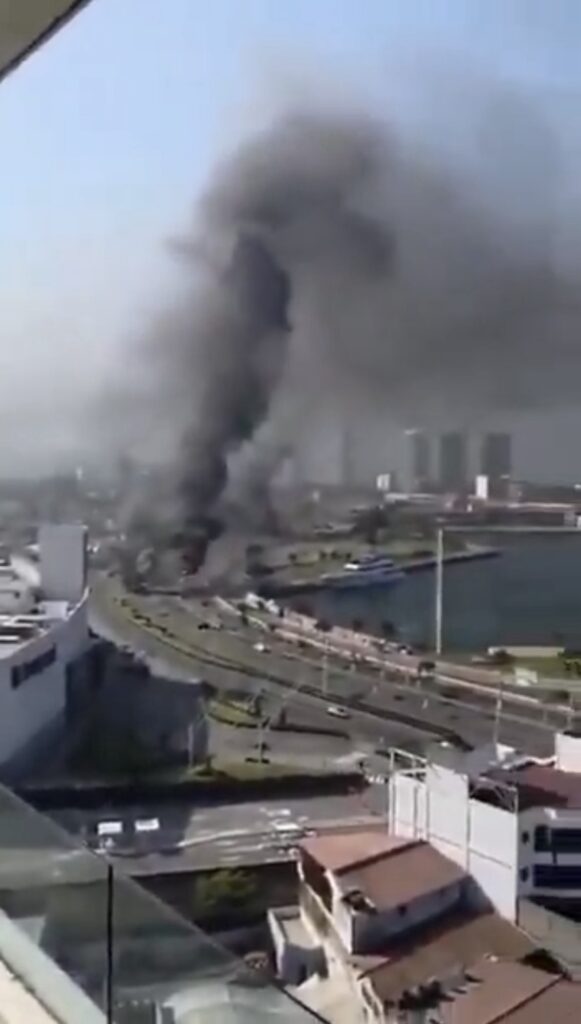
The CJNG’s reaction was swift and chaotic, underscoring the cartel’s capacity for disruption. Reports from multiple states, including Jalisco, Michoacán, Guanajuato, Colima, and Tamaulipas, detailed roadblocks, arson attacks on vehicles, and armed clashes. Social media footage captured smoke rising over Puerto Vallarta and panic at Guadalajara’s international airport, where travelers reported hearing gunfire, leading to flight suspensions by airlines like Air Canada. In response, the U.S. Embassy in Mexico issued a security alert advising Americans in affected areas to shelter in place until further notice, citing ongoing criminal activity and blockades.
Jalisco Governor Pablo Lemus Navarro urged residents to stay indoors as security forces worked to restore order. Analysts warn that El Mencho’s death could trigger internal power struggles within the CJNG, potentially escalating violence as factions vie for control and rival groups like the Sinaloa Cartel seek to exploit the vacuum.
What This Means for South Central Ohio
While the events unfold thousands of miles away, the ripple effects could reach communities in south central Ohio, where the fentanyl crisis continues to devastate families. The CJNG is a primary supplier of fentanyl and methamphetamine to the U.S., often adulterating other drugs like cocaine and heroin, contributing to Ohio’s high overdose rates. In 2023, Ohio saw 4,452 unintentional drug overdose deaths, with fentanyl involved in 78% of cases, though numbers have declined slightly in recent years.
Local experts note that fentanyl mixed with stimulants like cocaine has driven spikes in fatalities, particularly in counties like Franklin, where such combinations accounted for half of overdoses in early 2025. Ohio incurred an estimated $3 billion in economic losses from fentanyl-related deaths in 2022 alone, the highest in the nation. El Mencho’s demise might disrupt CJNG supply chains temporarily, offering a window for enhanced local prevention efforts, but it could also lead to increased competition among cartels, potentially flooding markets with even more potent synthetics.
Ohio health officials emphasize the need for targeted interventions, including expanded naloxone distribution and harm reduction programs, to combat the evolving threat. As one researcher from Ohio State University noted, models like those in Cuyahoga County could inspire south central Ohio communities to prioritize data-driven strategies against fentanyl.
This development marks a pivotal moment in the fight against transnational drug networks, but vigilance remains key as the cartel’s response unfolds. Residents in south central Ohio are encouraged to stay informed on local drug trends and support community resources to mitigate the impact.