
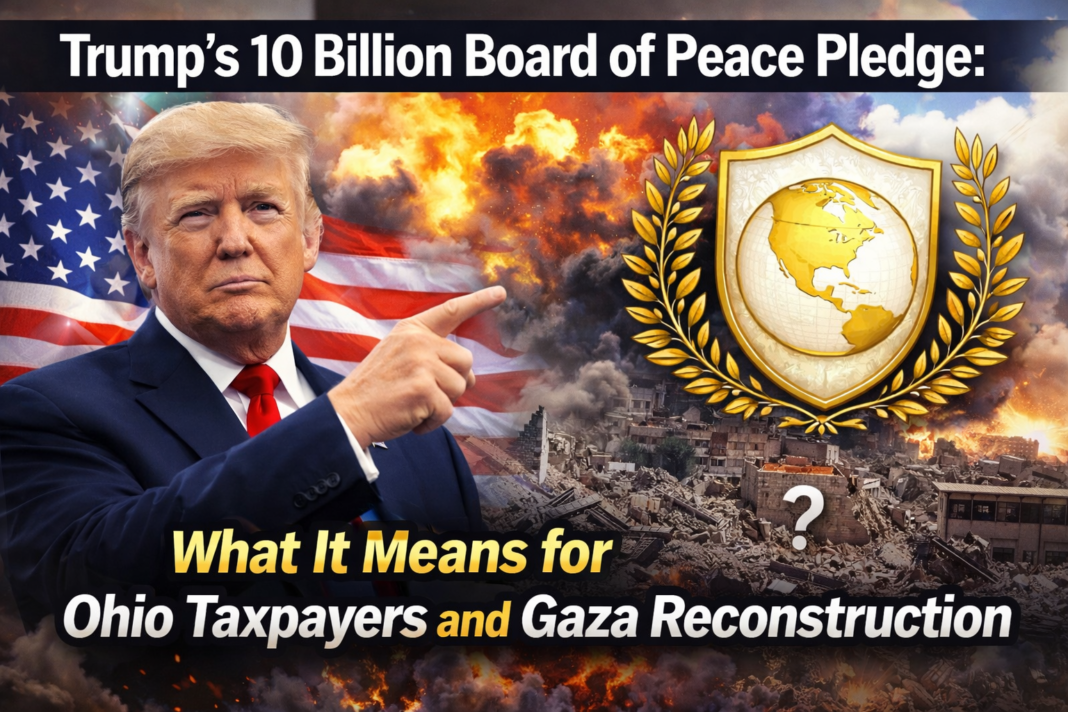
In a move that has sparked both praise and concern across the nation, President Donald Trump announced during the inaugural meeting of his Board of Peace on February 19, 2026, that the United States is committing $10 billion to the initiative. This pledge comes amid efforts to rebuild Gaza following a two-year conflict between Israel and Hamas, raising questions about its factual basis, funding sources, destinations, taxpayer implications, local effects on Ohio, and public reactions.
Verifying the Facts: A Real Initiative with Ambitious Goals
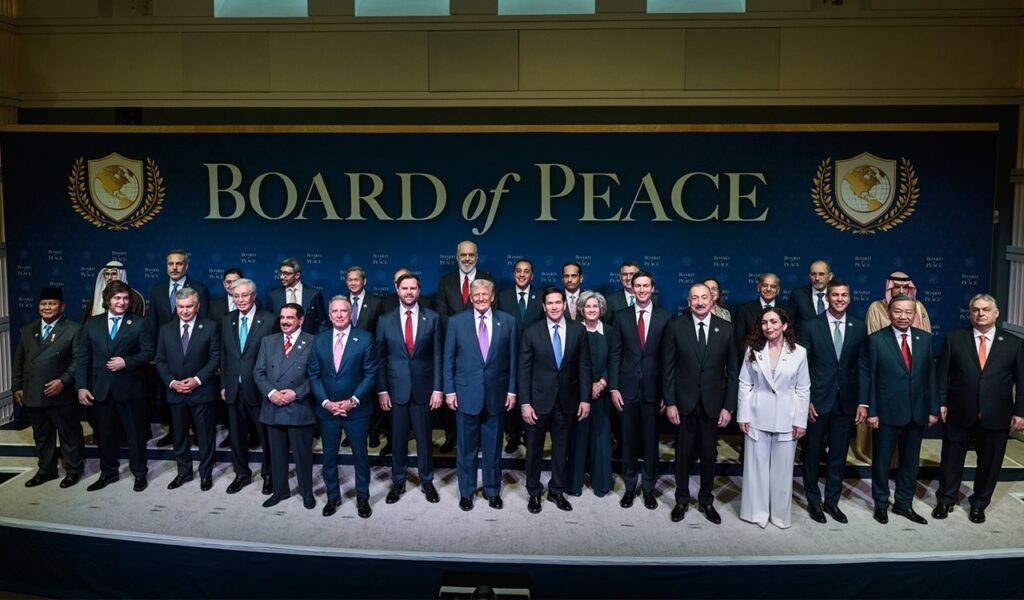
The announcement is factual and stems from reliable reports. The Board of Peace, established by Trump in late 2025 and formally inaugurated at the World Economic Forum in Davos, Switzerland, in January 2026, aims to oversee Gaza’s reconstruction and promote broader global peacekeeping. It forms part of Trump’s 20-point peace plan to end the Gaza war. During the Washington, D.C., meeting at the U.S. Institute of Peace, Trump highlighted pledges from other nations totaling $5 billion for reconstruction and an additional $7 billion for Gaza relief, though these amounts represent only a small portion of the estimated $70 billion needed to rebuild the devastated Palestinian territory.
The board includes representatives from over two dozen countries, with Trump serving as chairman for life. Permanent membership reportedly requires a $1 billion contribution, a structure that has drawn comparisons to a “pay-to-play” model. Nations like the United Arab Emirates, Saudi Arabia, Qatar, and others have committed funds and troops for an international stabilization force of up to 20,000 personnel.
Funding Sources: U.S. Commitment Draws from Federal Budget
The $10 billion U.S. pledge originates from federal funds, meaning it is ultimately supported by American taxpayers. Trump did not specify exact uses for this amount during the announcement, but it is tied to the board’s operations, which include humanitarian aid, rebuilding efforts in Gaza, and potential resolutions of global conflicts. Other pledges come from member countries’ contributions, with no indication of private donations or alternative sources alleviating the burden on public finances.
Where the Money Is Headed: Focus on Gaza Aid and Stability
The funds are primarily directed toward Gaza’s post-war recovery. This includes humanitarian relief, infrastructure rebuilding such as housing, medical facilities, and education centers, and supporting an international stabilization force to maintain the ceasefire. For instance, the UAE has pledged over $1 billion, partly for a new community in Rafah housing 25,000 people. The board’s broader mandate could extend to other global issues, but initial efforts center on the Palestinian territory, where the UN estimates damages at $70 billion.
Taxpayer Implications: A Nationwide Burden, Including for Ohioans
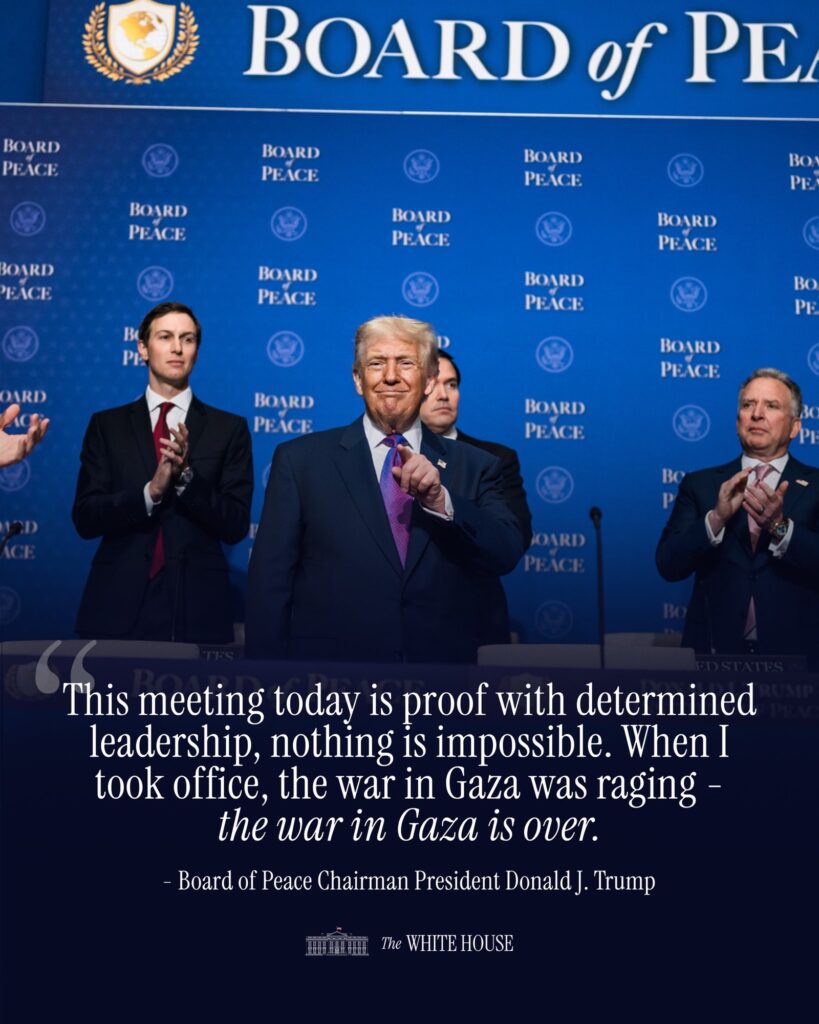
This commitment directly affects U.S. taxpayers, as the $10 billion will be drawn from the federal budget, potentially influencing national spending priorities. Critics argue it represents a significant outlay at a time when domestic needs, such as infrastructure and economic recovery, demand attention. For Ohio residents, this means contributing through federal taxes without targeted benefits returning to the state. South central Ohio, with its rural communities and manufacturing base, could feel indirect pressures if federal funds are diverted from programs like agricultural support or disaster relief, though no specific reallocations have been announced.
Direct Effects on Ohio: Limited Local Ties, Broader Economic Ripples
No direct connections to Ohio appear in reports on the Board of Peace. The initiative is international in scope, with no mentioned involvement from Ohio-based organizations, companies, or officials. However, as a key swing state that strongly supported Trump in recent elections, Ohio could see political ripple effects. Federal spending on foreign aid might influence local debates on budget priorities, potentially impacting areas like job creation in defense or manufacturing sectors if related contracts arise. For now, any effects remain indirect, tied to national fiscal policy.
Public Sentiment: Optimism Among Supporters, Skepticism from Critics
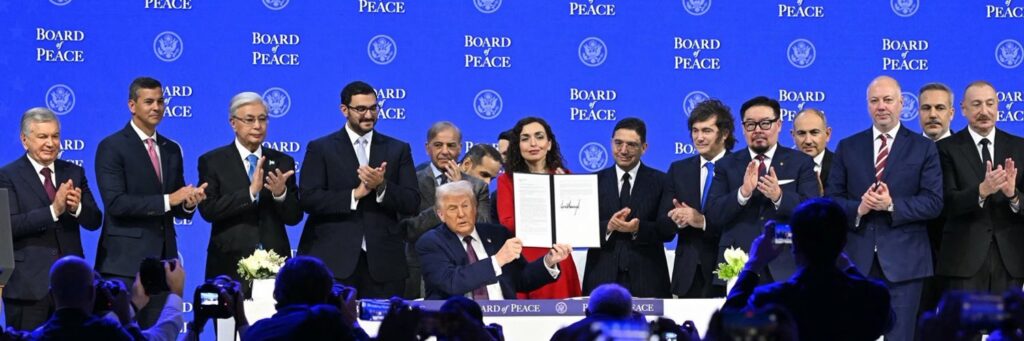
Reactions are divided. Trump supporters view the board as a bold alternative to the United Nations, praising it for delivering “peace through strength” and criticizing the UN’s perceived inefficiencies. Posts on platforms like X highlight enthusiasm, with some calling it a “massive America First win” and a step toward effective global leadership.
Skeptics, including U.S. allies like the UK, France, Germany, and Canada, express caution, fearing it undermines the UN and lacks clear legal mandates. Diplomats worry about concentrated power in Trump’s hands, the pay-to-play structure, and inclusions of figures like Russian President Vladimir Putin and Israeli Prime Minister Benjamin Netanyahu. Palestinians in Gaza have voiced frustration, seeing it as disconnected from their realities amid ongoing ceasefire violations. Pope Leo XIV declined participation, emphasizing the UN’s role. Analysts warn of potential failures due to vague goals and limited international buy-in.