
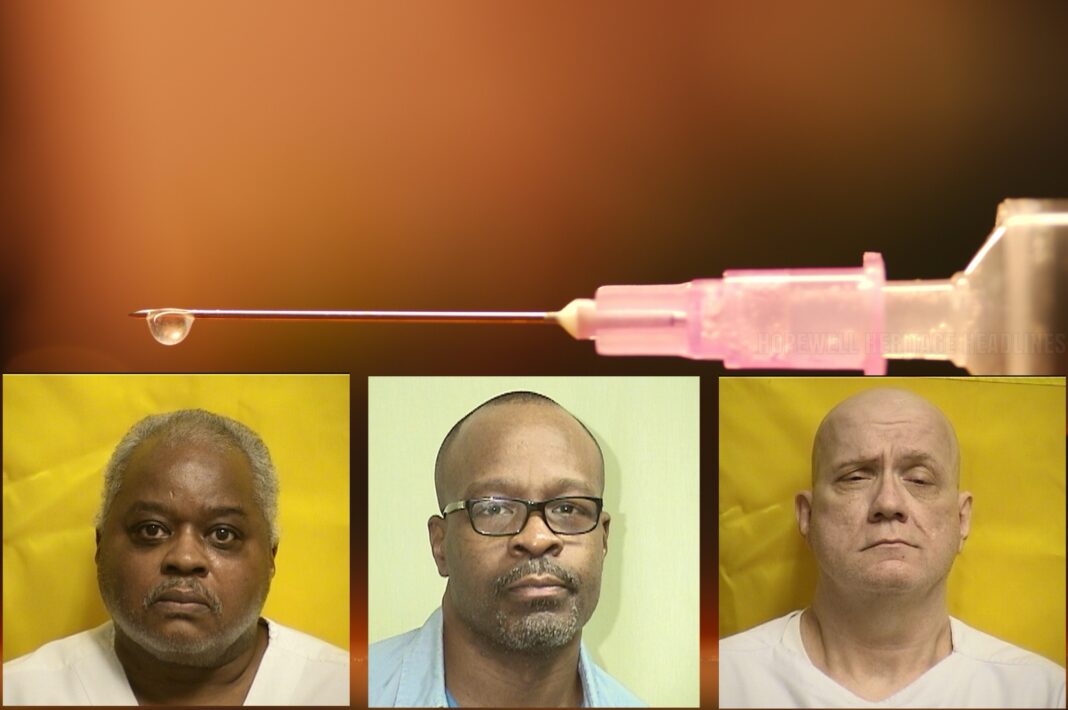
COLUMBUS, Ohio – Ohio Gov. Mike DeWine on Aug. 7, 2026, issued reprieves of execution for three inmates on death row, postponing their scheduled lethal injections by roughly three years. The action continues a pattern of delays tied to difficulties obtaining drugs for the state’s execution protocol.
According to the official statement from the governor’s office, the inmates and new dates are:
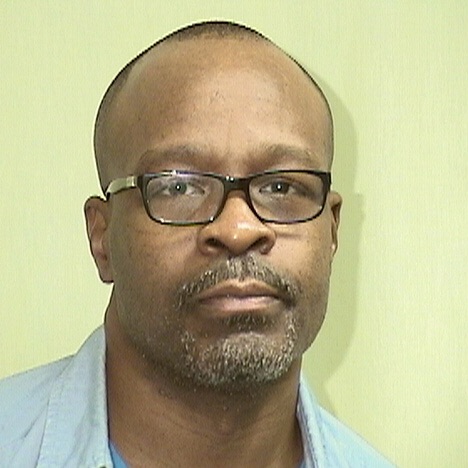
• Keith LaMar, previously scheduled for Jan. 13, 2027; new date Jan. 16, 2030.
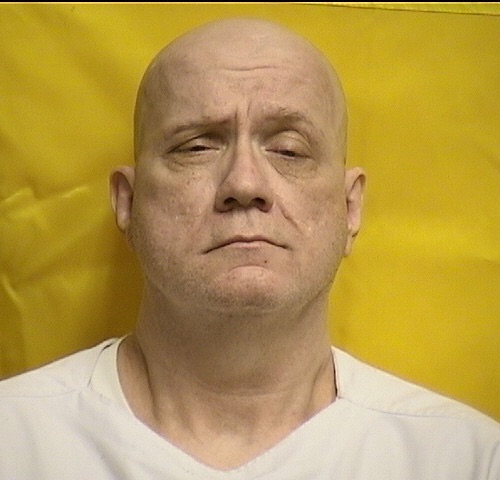
• Scott Group, previously scheduled for Feb. 17, 2027; new date Feb. 13, 2030.
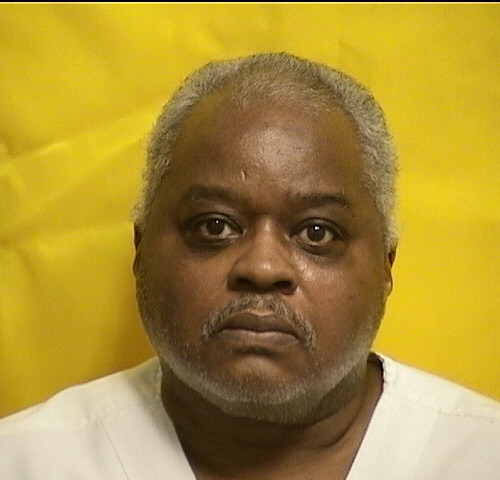
• Davel Chinn, previously scheduled for March 18, 2027; new date March 13, 2030.
The governor’s office stated the reprieves were issued “due to ongoing problems involving the willingness of pharmaceutical suppliers to provide drugs to the Ohio Department of Rehabilitation and Correction (DRC), pursuant to DRC protocol, without endangering other Ohioans.”
Ohio has not carried out an execution since July 2018. DeWine, a Republican in his final term, has issued numerous similar reprieves since taking office in 2019 and has not authorized any executions during his tenure. In June 2026 he publicly called on lawmakers to abolish the death penalty, citing data on its effectiveness as a deterrent.
Reprieve vs. Pardon: Key Legal Distinctions Under Ohio Law
A reprieve is not the same as a pardon.
Under Ohio Revised Code Section 2967.01:
• A reprieve is “the temporary suspension by the governor of the execution of a sentence or prison term.” The governor may grant it without the consent of the person sentenced.
• A pardon is “the remission of penalty by the governor in accordance with the power vested in the governor by the constitution.” It is an act of forgiveness that can relieve the person of some or all ramifications of the punishment.
The Ohio Department of Rehabilitation and Correction describes the forms of executive clemency this way: a pardon is the remission of a penalty (an act of grace or forgiveness); a commutation is the reduction of a penalty to one less severe; and a reprieve is the temporary postponement of the execution of a sentence.
In these cases the death sentences themselves remain in place. The governor has only postponed the dates on which the sentences would be carried out. The inmates stay on death row. A pardon would go further by forgiving the penalty (and potentially restoring certain civil rights, subject to conditions and other legal processes). A commutation would reduce the sentence, such as converting a death sentence to life without parole.
DeWine previously issued a commutation (not a reprieve) in one death-row case in 2026, converting Gregory Lott’s sentence to life without parole. That is a distinct form of clemency from the temporary delays announced this week.
Background on the Cases
Public records and court documents summarized in contemporaneous reporting describe the underlying convictions as follows:
Keith LaMar was convicted of aggravated murder in connection with the deaths of five inmates during the 1993 riot at the Southern Ohio Correctional Institution in Lucasville. He received the death penalty for four of the killings.
Scott Group was convicted in the January 1997 shooting death of Robert Lozier and the wounding of Lozier’s wife, Sandra, during a robbery at the Downtown Bar in Youngstown. Group, who had been a delivery driver for a wine company that supplied the bar, was sentenced to death.
Davel Chinn was convicted in the January 1989 kidnapping and fatal shooting of Brian Jones during a robbery in Montgomery County. Court records state Chinn and an accomplice abducted Jones; Chinn then shot him.
These convictions have been upheld through multiple levels of state and federal review. The latest reprieves do not alter the judicial findings or the sentences imposed by the courts.
Broader Context in Ohio
Ohio’s difficulties obtaining pharmaceutical drugs for lethal injection have led to repeated postponements under DeWine. The governor’s office has consistently cited suppliers’ unwillingness to provide the drugs under the DRC protocol. Legislative efforts and debates over alternative methods or abolition have continued at the Statehouse.
Clemency authority rests with the governor under the Ohio Constitution and is exercised after processes involving the Parole Board in many cases. Reprieves for death sentences have been used primarily to manage scheduling amid the supply issues rather than as permanent relief from the sentence.
The Aug. 7 orders keep the three executions on the calendar years into the future while the underlying legal and practical barriers to carrying out lethal injection in Ohio remain unresolved.