

In a 6-3 decision released today, the U.S. Supreme Court upheld West Virginia’s law that keeps sports teams for girls and women limited to those born female. The ruling says states can base school and college sports categories on biological sex instead of gender identity. This directly affects rules in Ohio and about two dozen other states with similar laws.
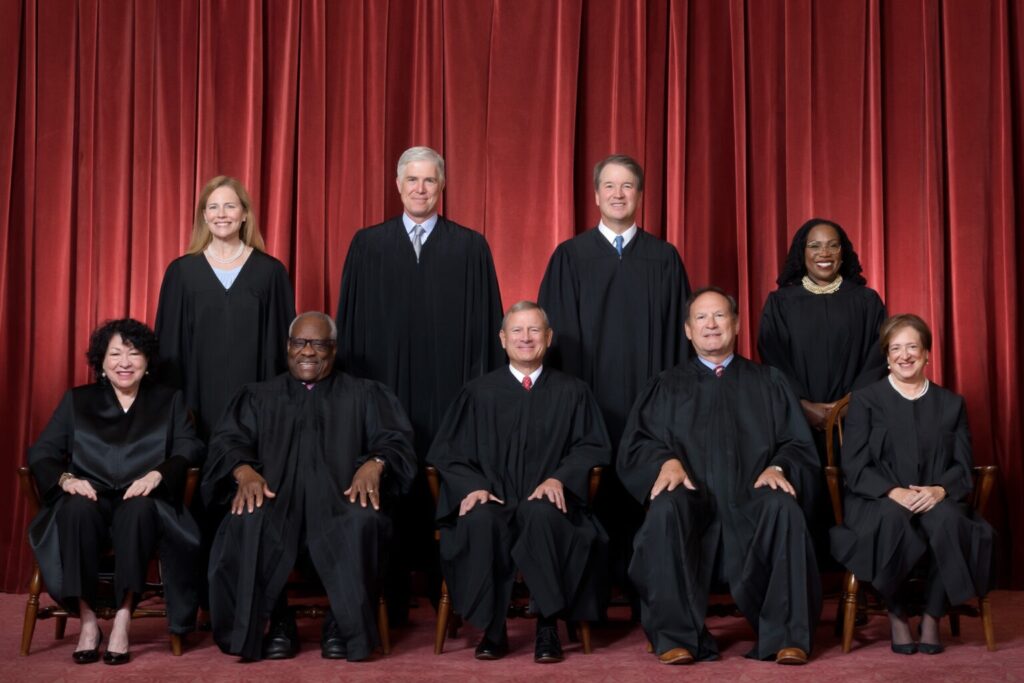
Justice Brett Kavanaugh wrote the majority opinion. The Court found that these rules do not violate the U.S. Constitution’s Equal Protection Clause or Title IX, the federal law that pushed schools to give girls fair chances in sports and education. The justices said separating teams by biological sex serves important goals like competitive fairness and safety.
What the Case Was About
The case, called West Virginia v. B.P.J., involved a transgender student in West Virginia who identifies as a girl but was born male. West Virginia’s “Save Women’s Sports Act” requires teams to be labeled male, female, or co-ed based on biological sex determined at birth. It bars biological males from girls’ and women’s teams. Lower courts had mixed rulings, and the Supreme Court stepped in.
The Court reversed the lower court decision that had favored the student. It sent the case back for more work consistent with today’s opinion. Two justices wrote concurring opinions agreeing with the result. Three justices partly agreed and partly disagreed in a dissent focused on how the rule applies to some transgender students.
Why the Court Said Yes to the Bans
The majority explained that Title IX and its old rules have long allowed separate teams for boys and girls in sports where strength, speed, or contact matters. “Sex” in that law means biological sex, the justices said. Biological males generally develop greater muscle mass, bone density, strength, and speed during puberty. These differences often remain even after hormone treatments.
Sports are zero-sum, the opinion noted. Letting a biological male on a girls’ team can take a roster spot, playing time, or medal away from a biological female. The Court said states have a strong interest in protecting fair play and safety, especially in contact sports. Lawmakers, not judges, should sort out the details when science on advantages after transition is still debated. Courts do not need to test every athlete one by one.
Ohio’s Connection
Ohio already has a similar rule. In 2024, lawmakers passed a law (part of House Bill 68) that restricts transgender girls and women from competing on girls’ and women’s teams in K-12 schools and colleges. It defines participation based on biological sex. Ohio Attorney General Dave Yost backed the West Virginia and Idaho cases at the Supreme Court, saying Ohio has the same kind of law.
The Ohio High School Athletic Association follows state rules on this issue. Today’s Supreme Court decision gives clear support to Ohio’s approach. Student athletes, coaches, and families in south and south-central Ohio—from high school tracks and fields in places like Ross or Pike counties to college programs—now have stronger legal footing for keeping categories based on biological sex.
Arguments on Both Sides
Supporters of these bans, including many female athletes, parents, and state officials, say the rules protect the opportunities Title IX created for girls. They point out that male puberty creates lasting physical edges in most sports. Without separate categories, they argue, girls lose chances to compete, win scholarships, or stay safe in rough sports. They see the Court’s decision as common-sense fairness rooted in biology.
Opponents, including groups like the ACLU that represented the student in the West Virginia case, say blanket bans discriminate against transgender youth. They argue some transgender girls who start medical steps early may not keep big physical advantages. Being kept off teams can hurt mental health and a sense of belonging, they say. The dissenters on the Court worried the rule is too broad and that judges should have looked closer at the facts for students who never went through full male puberty. They believe inclusion and individualized review better match equality principles.
What Happens Next
The ruling sets a strong precedent that other states’ laws like Ohio’s are likely to stand. It does not end every debate or every lawsuit, and a related Idaho case may still move forward. Schools and athletic groups will keep following their state rules and the Ohio High School Athletic Association guidelines.
For everyday sports in Ohio communities, the message from the highest court is straightforward: teams for girls and women can stay limited to those born female. That keeps the focus on fair competition based on the physical realities the Court said Title IX has recognized for decades.
This story will continue to develop as schools, families, and athletes adjust. Local reactions from coaches, parents, and student athletes in south-central Ohio will likely shape how the rules play out on fields and courts this fall.