

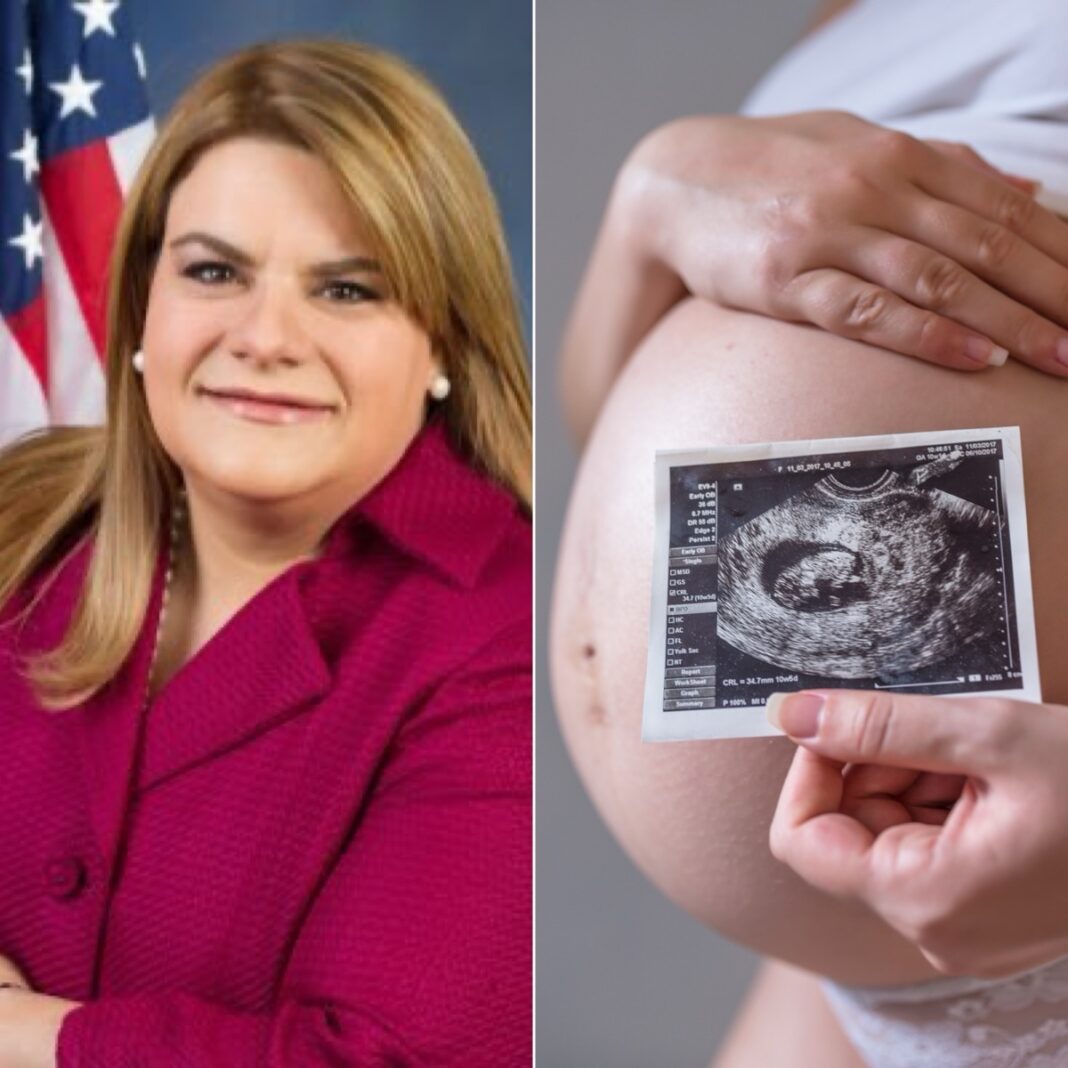
Puerto Rico Gov. Jenniffer González signed Senate Bill 923 on February 12, 2026, amending the territory’s Penal Code to recognize an unborn child as a human being in the legal definition of murder. The Republican governor, a supporter of President Donald Trump, stated that the measure “aims to maintain consistency between civil and criminal provisions by recognizing the unborn child as a human being.”
The bill complements a prior law—named after Keishla Rodríguez, a pregnant woman killed in April 2021 by her partner, former boxer Félix Verdejo—that classifies the intentional killing of a pregnant woman, resulting in the death of her conceived child at any stage of gestation, as first-degree murder. Supporters say the change ensures legal consistency and strengthens penalties for violence against pregnant women without altering abortion access, which remains legal in the U.S. territory.
Opposition and concerns from medical and legal groups
Critics, including physicians and civil liberties advocates, warned that the change—passed without public hearings or consultation with the medical community—could have unintended consequences. Dr. Carlos Díaz Vélez, president of Puerto Rico’s College of Medical Surgeons, said it “will bring complex clinical decisions into the realm of criminal law” and “disastrous consequences,” noting that the island’s health system “is not prepared for this.”
Rosa Seguí Cordero, spokesperson for the National Campaign for Free, Safe and Accessible Abortion, stated, “A zygote was given legal personality. We women were stripped of our rights.” Annette Martínez Orabona of the ACLU of Puerto Rico criticized the lack of analysis and warned of “unacceptable space for ambiguity regarding civil rights.”
Opponents raised fears of “defensive health care,” where doctors might hesitate to treat complicated pregnancies, potential privacy violations, and scenarios in which third parties could intervene in medical decisions.
National parallels, including in Ohio
The development echoes protections already in place across much of the United States. Thirty-eight states and the federal government have laws that treat the unlawful killing or injury of an unborn child as a separate offense in cases of violence against a pregnant woman. The federal Unborn Victims of Violence Act (2004) similarly recognizes a “child in utero” as a victim in federal crimes.
In Ohio, the Revised Code explicitly recognizes an “unborn human” as a separate victim in homicide cases. Under Section 2903.09, “unlawful termination of another’s pregnancy” is defined as causing the death of an unborn member of the species Homo sapiens from fertilization until live birth. This allows charges such as murder, manslaughter, or negligent homicide when a fetus is killed during a crime against the mother, while preserving exceptions for lawful abortions.
For southern Ohio counties, the Puerto Rico law highlights a broader legal trend of treating violence that ends a pregnancy as harming two victims. Ohio’s statutes already provide these enhanced protections, reflecting community priorities in the region to safeguard both pregnant women and their unborn children from criminal acts.
The measure in Puerto Rico does not restrict abortion rights there, nor does Ohio’s fetal homicide framework affect access to legal abortion under state law. It applies strictly to unlawful acts of violence.