

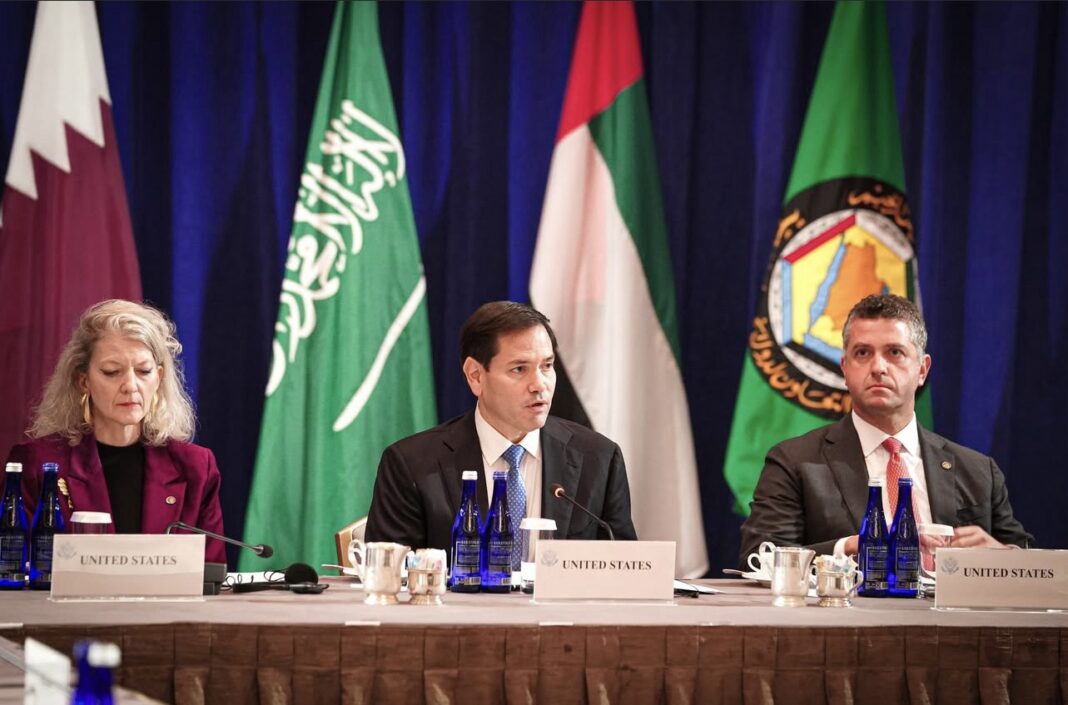
U.S. Secretary of State Marco Rubio, speaking to reporters today during a trip to St. Kitts and Nevis, stated that Iran is “always trying to rebuild elements” of its nuclear program despite last year’s U.S.-led strikes that the administration says obliterated key facilities.
“First and foremost, after their nuclear program was obliterated, they were told not to try to restart it, and here they are. You can see them always trying to rebuild elements of it. They’re not enriching right now, but they’re trying to get to the point where they ultimately can,” Rubio said. He described Iran as posing a “very grave threat” to the United States due to its nuclear ambitions, missile capabilities, and other activities.
Rubio’s remarks align closely with those from Vice President JD Vance earlier today, who cited U.S. intelligence evidence that Iran is attempting to rebuild its nuclear program. Both officials stressed that Iran cannot be allowed to develop a nuclear weapon, with Rubio emphasizing the need for talks to address not only the nuclear issue but also ballistic missiles and regional proxy support.
The statements come on the eve of U.S.-Iran negotiations in Geneva on February 26, focused largely on Tehran’s nuclear activities. Rubio called Iran’s refusal to discuss ballistic missiles a “big, big problem” for meaningful diplomacy. President Trump, in his recent State of the Union address, accused Iran of restarting its nuclear efforts and pursuing long-range missiles.
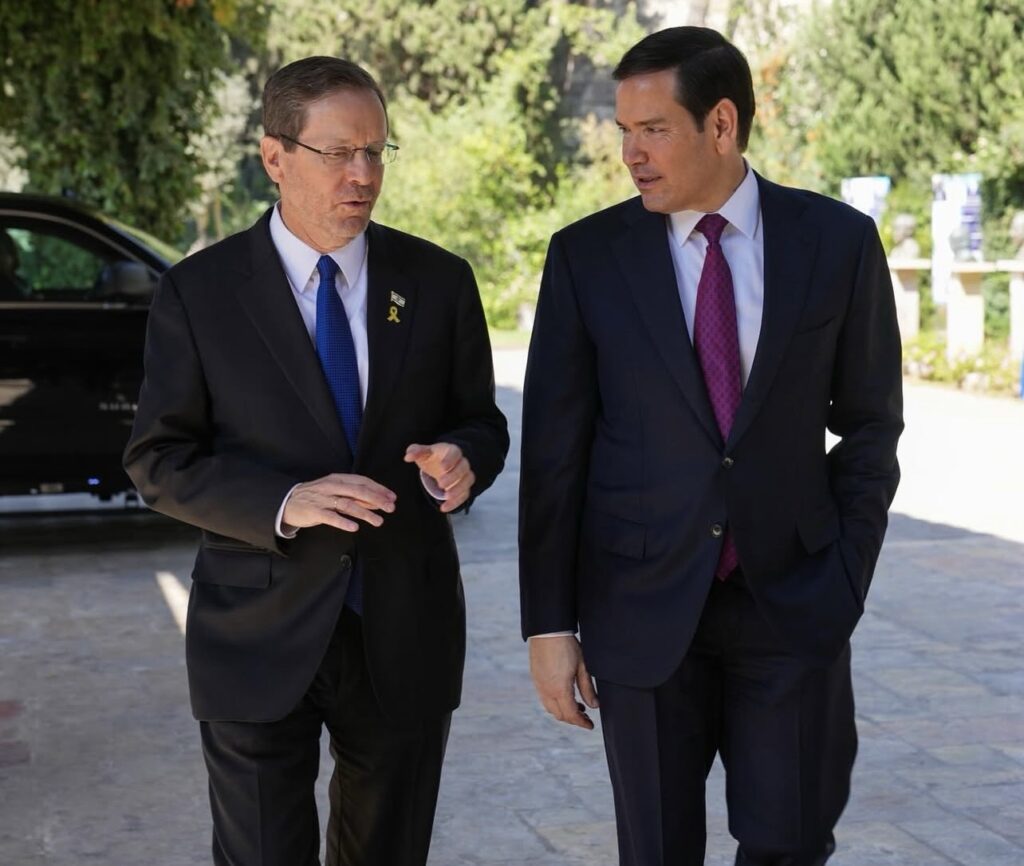
Iran maintains its nuclear program is for peaceful purposes and denies pursuing weapons. It has pushed for sanctions relief in exchange for limits on enrichment.
For south central Ohio readers, these developments tie into broader national security concerns that could influence energy costs, manufacturing in areas like Chillicothe and Portsmouth, and families linked to nearby bases such as Wright-Patterson. As a key Trump administration figure, Rubio’s role in these talks highlights ongoing U.S. efforts to prevent escalation.
With U.S. military assets positioned in the region and diplomacy preferred but force not ruled out, the outcome in Geneva remains critical. Follow Hopewell Heritage Headlines for continued coverage of U.S.-Iran relations and their potential local impacts.