

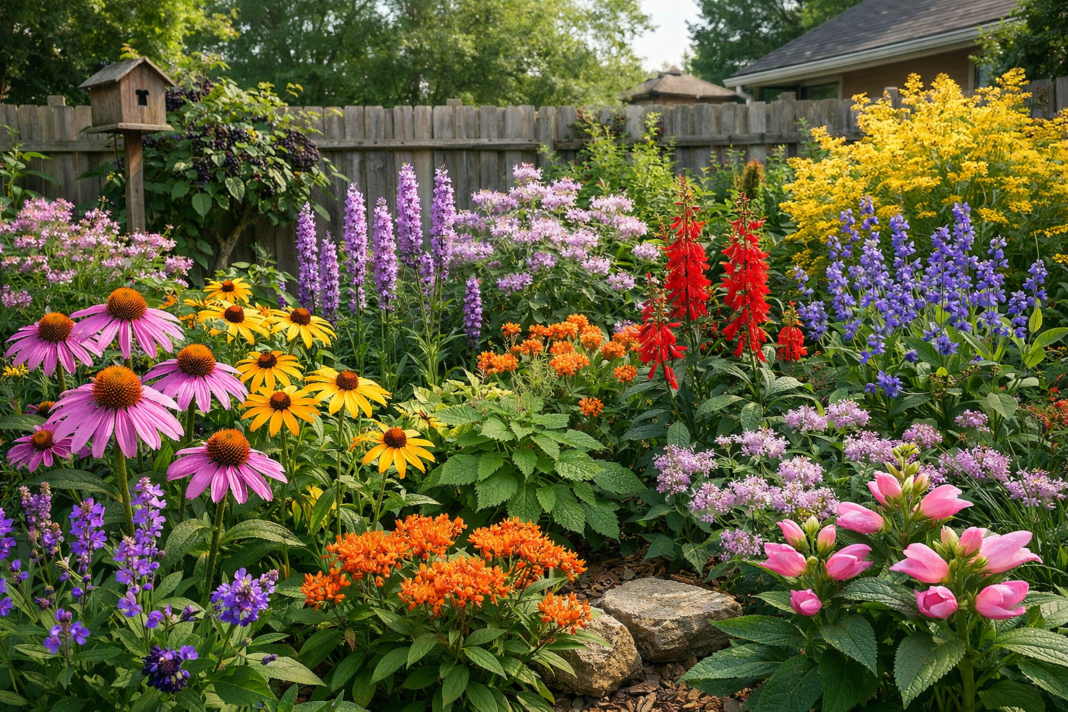
As spring approaches in south central Ohio, many homeowners are eager to enhance their landscapes with vibrant flower beds that require minimal upkeep. Opting for native plants not only reduces maintenance needs like watering and fertilizing but also supports local ecosystems by attracting pollinators and wildlife. These plants are well-adapted to Ohio’s climate, including the varying soils and weather patterns found in regions like Ross, Pickaway, and Fairfield counties. Drawing from expert recommendations, here are ten beautiful Ohio native options that are easy to care for and offer additional benefits, such as ecological support or traditional natural remedies. Always consult a healthcare professional before using any plant for medicinal purposes, and source plants from reputable nurseries to comply with Ohio’s conservation guidelines.
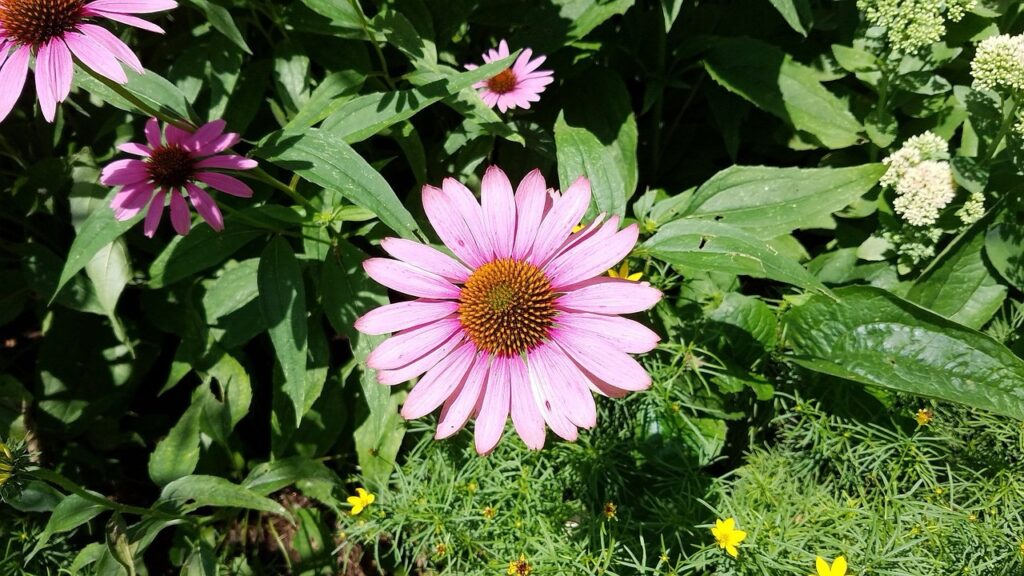
1. Purple Coneflower (Echinacea purpurea): This perennial boasts striking pink-purple daisy-like flowers that bloom from midsummer to fall, adding a pop of color to any garden. It’s drought-tolerant once established, requiring little more than full sun and well-drained soil, making it ideal for low-maintenance setups. Traditionally, it’s been used in Native American medicine to support immune health and treat wounds.
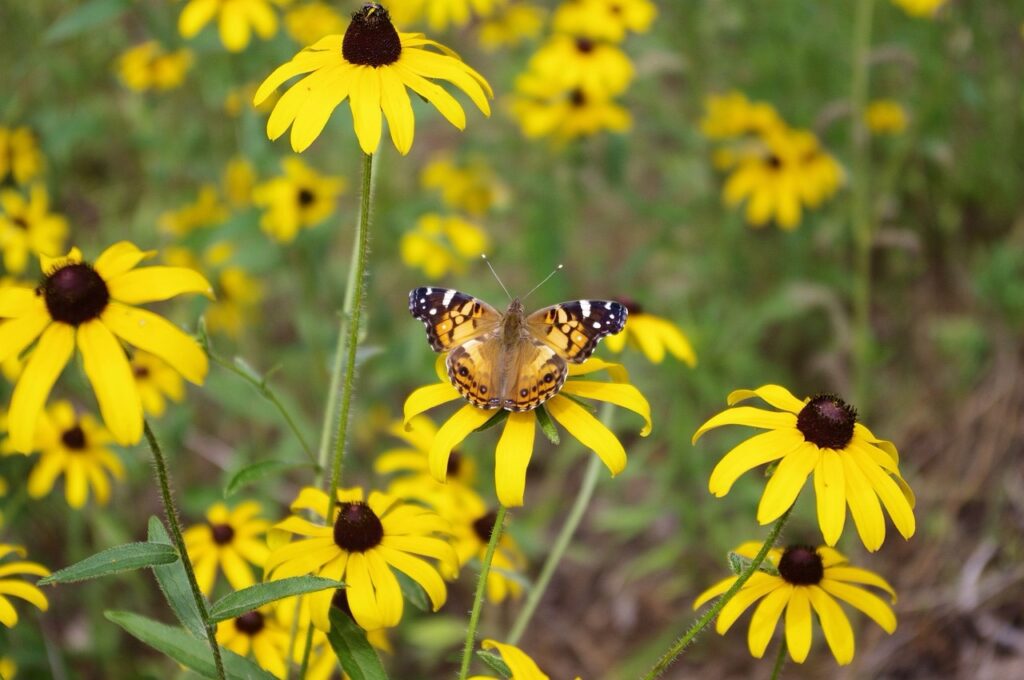
2. Black-Eyed Susan (Rudbeckia hirta): Known for its cheerful yellow petals with dark centers, this flower thrives in full sun and poor soils, self-seeding for effortless spread without invasive tendencies. It blooms from June to October and is highly drought-resistant. Benefits include providing nectar for butterflies and seeds for birds, enhancing biodiversity in your yard.
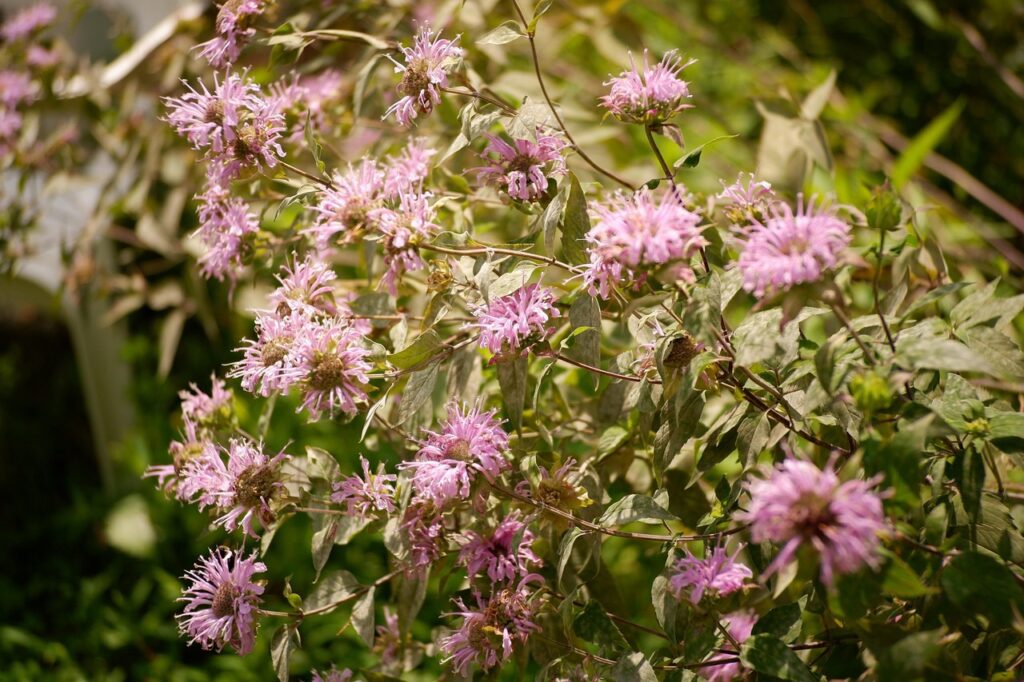
3. Wild Bergamot (Monarda fistulosa): Featuring lavender-purple blooms that resemble fireworks, this plant grows 2-4 feet tall in dry, rocky soils with full sun. It’s clump-forming and requires minimal care beyond occasional division. The fragrant leaves can be brewed into tea, traditionally used to soothe digestive issues or colds.
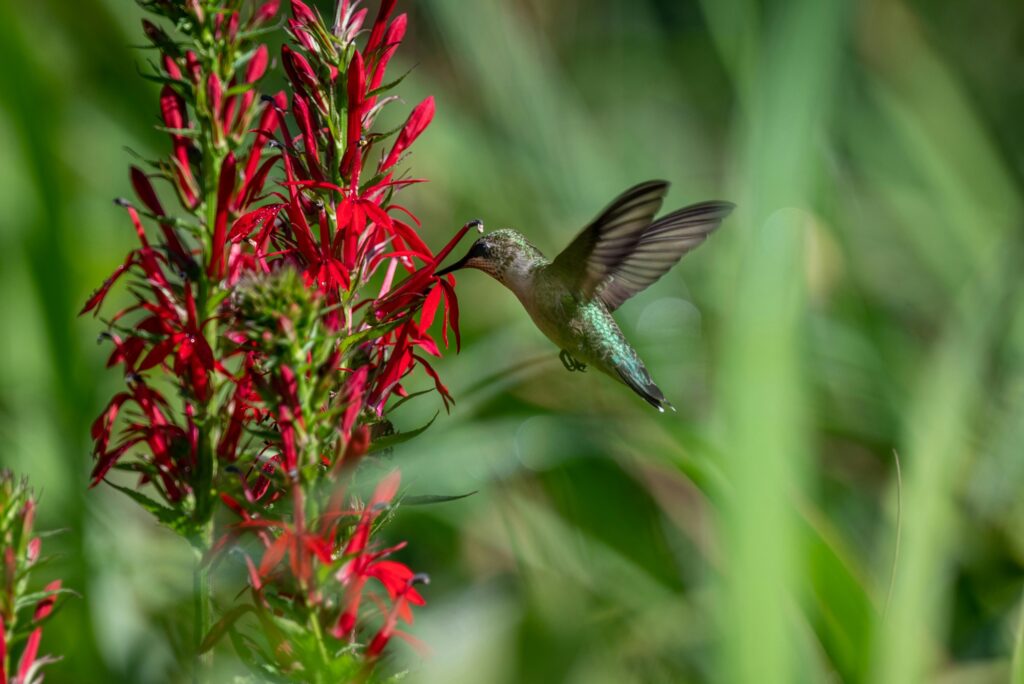
4. Cardinal Flower (Lobelia cardinalis): With vivid red tubular flowers that attract hummingbirds, this perennial prefers moist soils but adapts well in partial shade, needing only consistent moisture for easy growth. It offers ecological benefits by supporting pollinators and has been historically used in remedies for respiratory ailments.
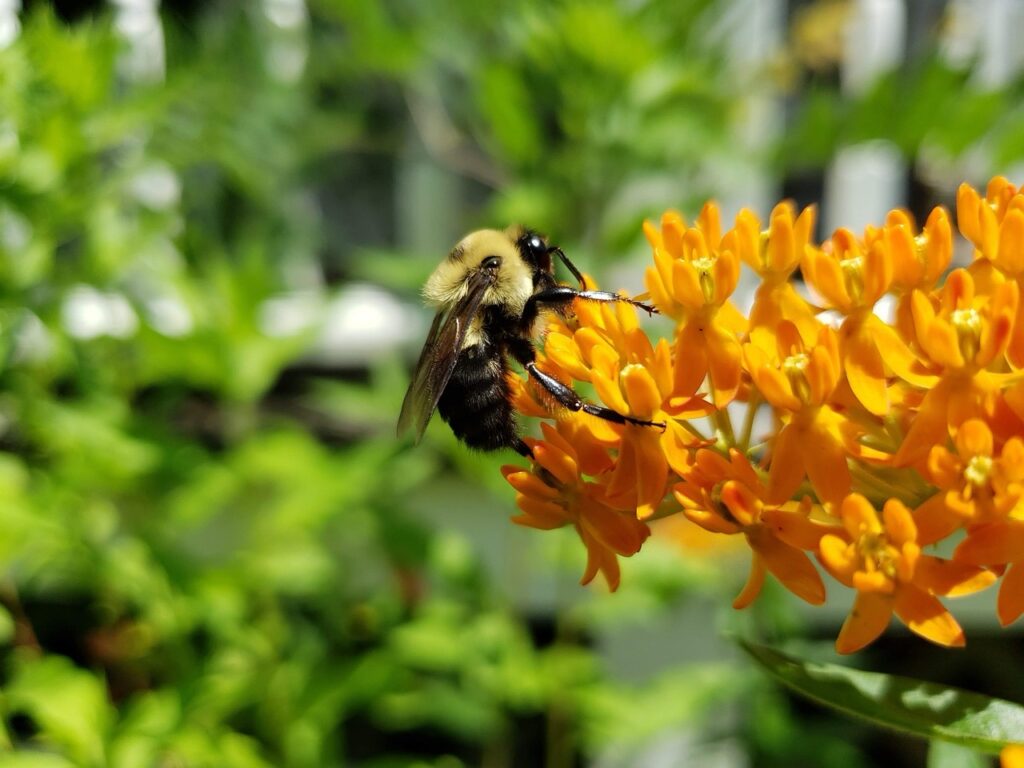
5. Butterfly Milkweed (Asclepias tuberosa): This plant displays clusters of bright orange flowers from June to August, thriving in dry, sandy soils with full sun and low water needs once established. It’s essential for monarch butterflies, as caterpillars feed exclusively on milkweed species, promoting conservation efforts in Ohio.
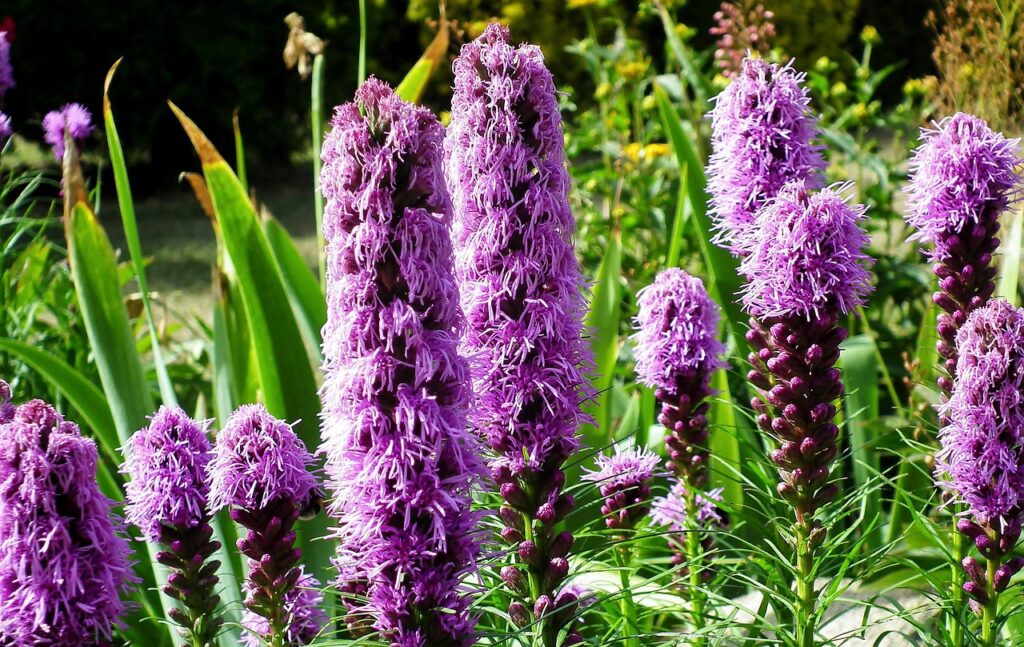
6. Spiked Blazing Star (Liatris spicata): Tall spikes of purple or white flowers open from top to bottom in late summer, attracting bees and butterflies. It prefers well-drained soil and full sun, with drought tolerance making it low-maintenance. Seeds provide food for songbirds, adding wildlife value to gardens.
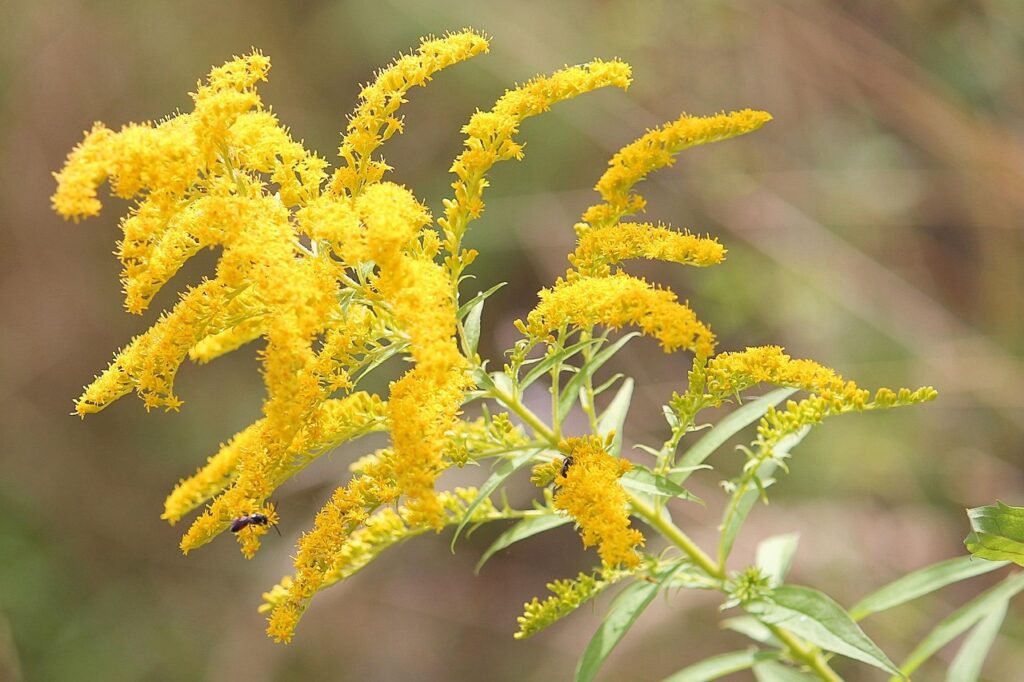
7. Showy Goldenrod (Solidago speciosa): Producing plumes of deep yellow flowers in late summer, this non-invasive perennial grows in partial shade and well-drained soil, requiring little intervention. It supports migrating pollinators and has traditional uses in teas for urinary tract support.
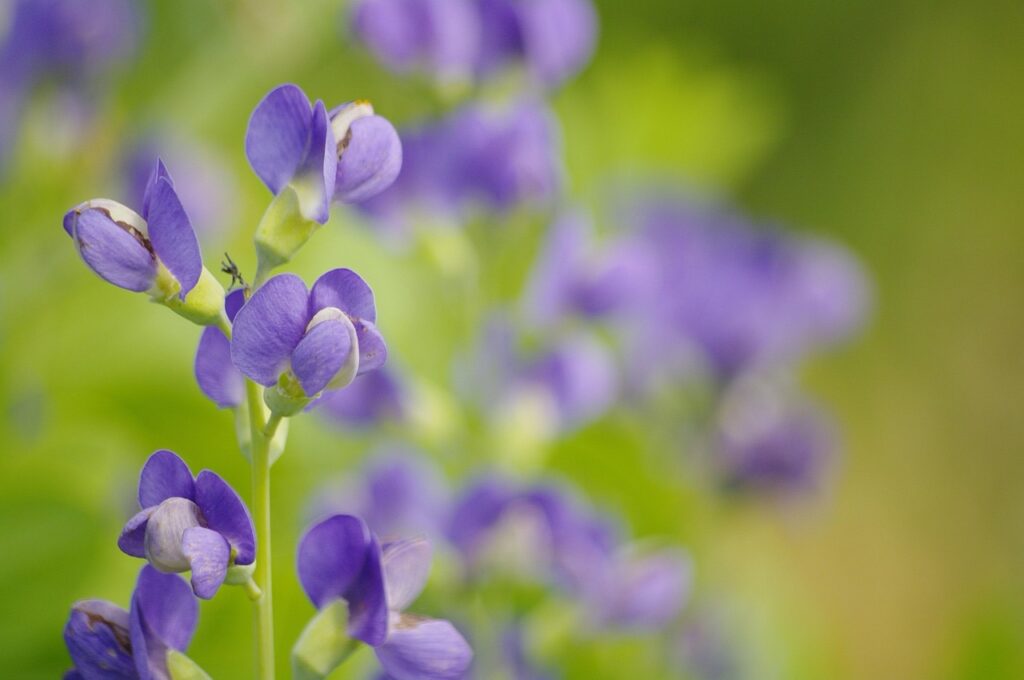
8. Blue False Indigo (Baptisia australis): This shrub-like perennial features pea-like blue flowers in spring, followed by attractive seed pods. It’s drought-tolerant with low water requirements and fixes nitrogen in the soil, improving garden health naturally. Roots have been used traditionally as a laxative or for wound treatment.
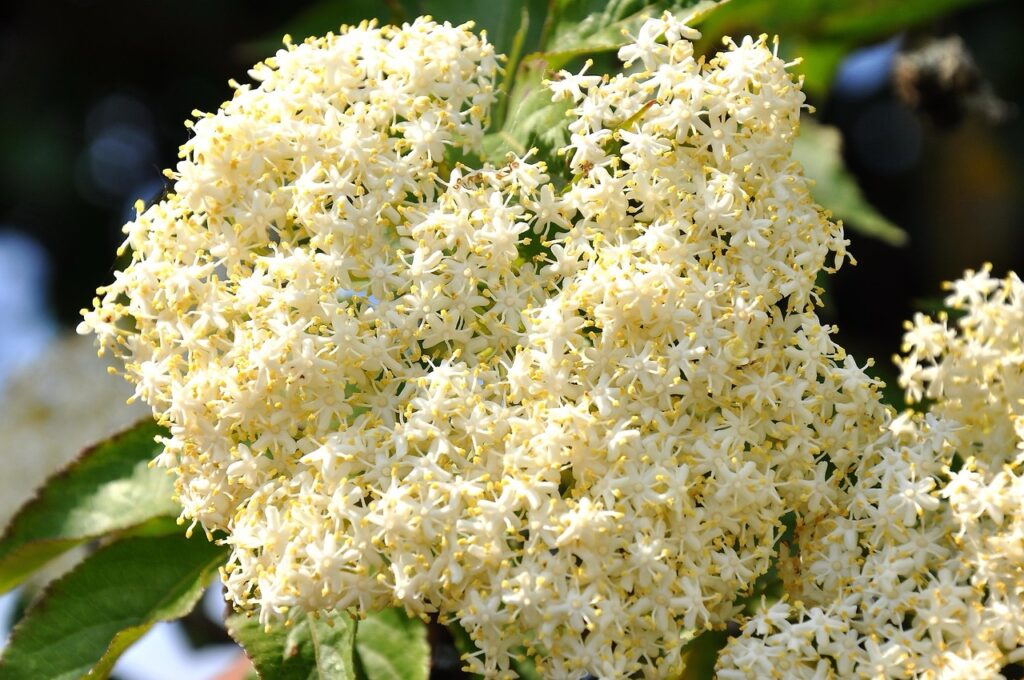
9. American Black Elderberry (Sambucus canadensis): Sweetly fragrant white flower clusters in spring yield dark berries, growing in medium moisture with minimal pruning needed. Berries are used in jams or wines and traditionally for anti-inflammatory effects, though cook before consuming.
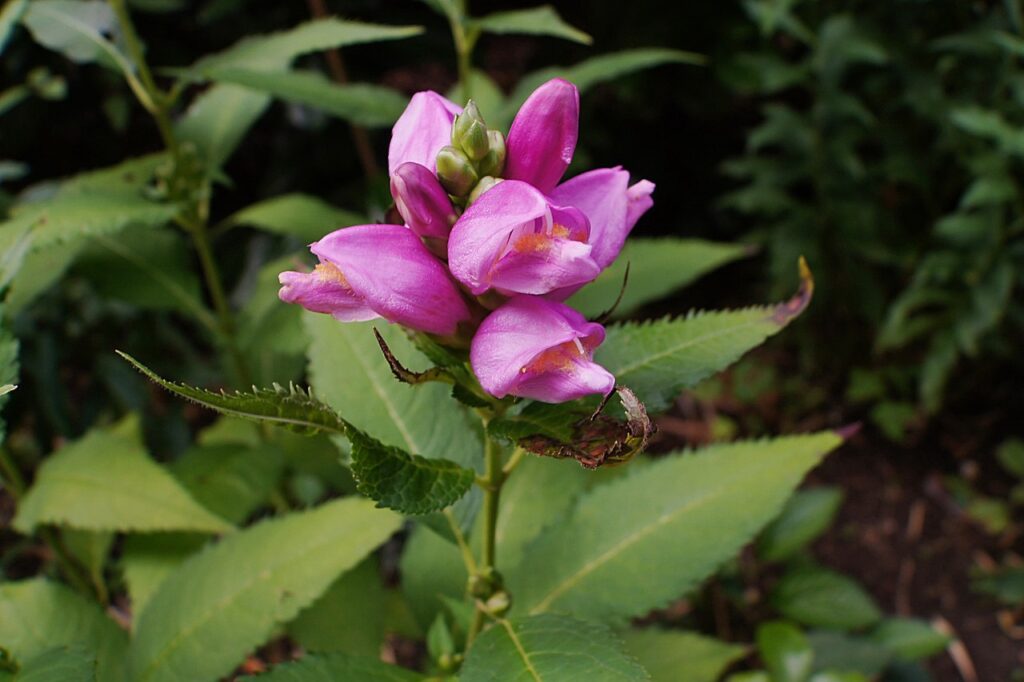
10. Turtlehead (Chelone glabra): Resembling snapping turtle heads, the white-pink flowers bloom in spikes during late summer. It thrives in wet, rich soils with full to partial sun and low maintenance in naturalized areas. It attracts hummingbirds and bees, boosting local pollinator populations.
Incorporating these native plants into your south central Ohio garden can create a sustainable, beautiful space that aligns with the state’s emphasis on preserving natural habitats. For more guidance, check resources from the Ohio Department of Natural Resources or local extension offices to ensure compliance with any planting regulations. Start small this spring, and watch your low-effort oasis flourish.